
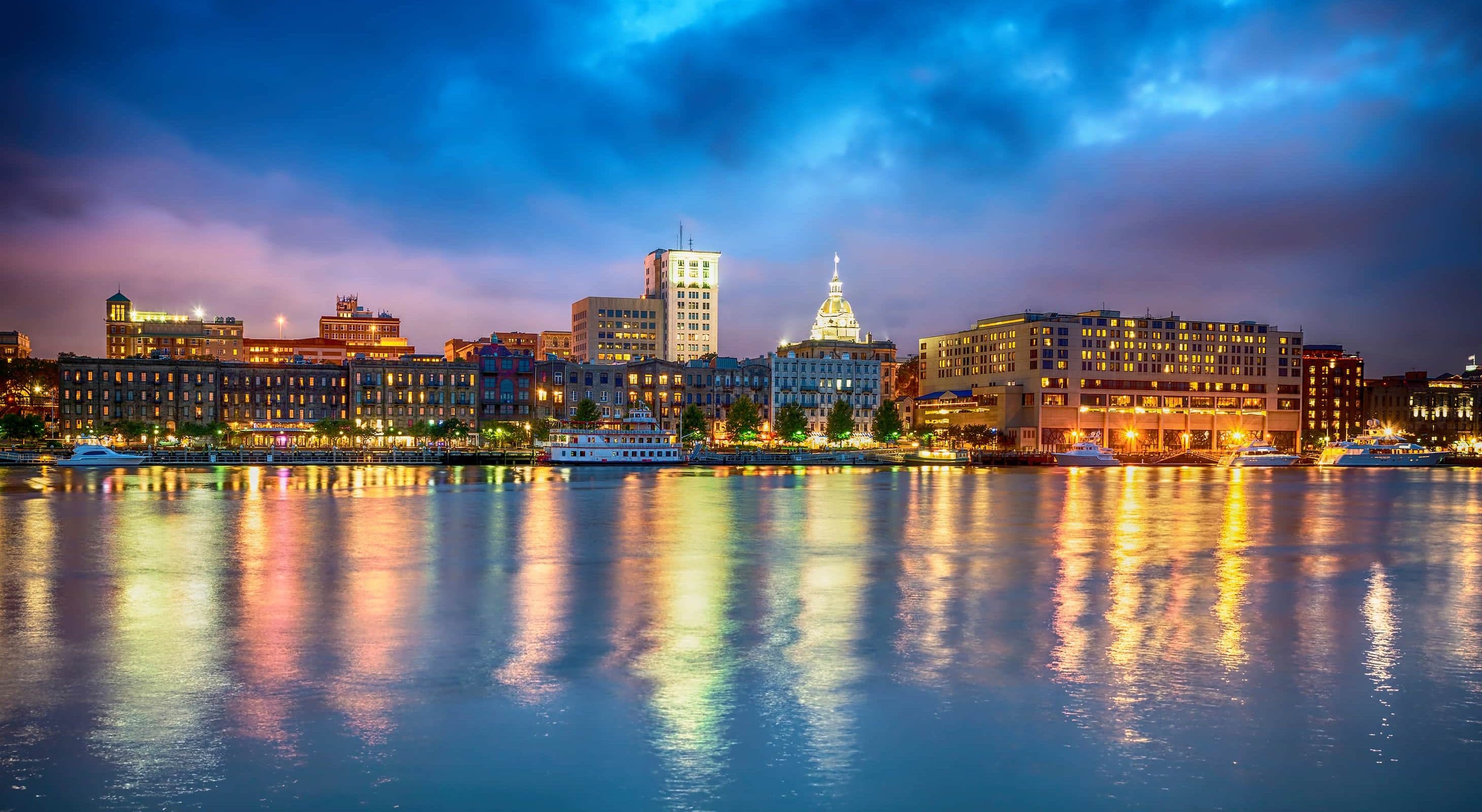
Savannah · Georgia
Savannah
Georgia · United States
A colonial town plan of shaded squares holding both preserved grandeur and honestly examined history.
Savannah's identity begins with the Oglethorpe town plan's linked squares in the Savannah Historic District, continues at the Owens-Thomas House & Slave Quarters, interpreted through the lives of both the wealthy family and the enslaved people who occupied the site, and extends to Wormsloe State Historic Site's colonial ruins and Bonaventure Cemetery's live-oak avenues.
DISCOVER SAVANNAH
A colonial town plan whose history includes everyone who lived it.
Savannah's structure is its history. The Savannah Historic District, a National Historic Landmark District, is shaped directly by James Oglethorpe's original town plan — its linked squares, shaded streets and exceptional concentration of 18th- and 19th-century architecture are treated as one connected district rather than a list of individual buildings; the squares themselves are public, while the houses, churches and museums around them set their own access rules. That architecture cannot be told honestly without the Owens-Thomas House & Slave Quarters, where a major Regency house and its surviving urban slave quarters are interpreted together, deliberately examining the site's architecture through the lives of both the wealthy family who owned it and the enslaved people who occupied it and kept it running. A different, earlier layer of colonial Georgia is preserved at Wormsloe State Historic Site, the estate of Noble Jones, one of the colony's original 1733 settlers; alongside its well-known oak-lined entrance avenue, the site holds the tabby ruins of Jones's fortified home and a museum covering early colonial Georgia life. Bonaventure Cemetery closes the picture with a different kind of history entirely: an active river-bluff municipal cemetery on the site of the former Bonaventure Plantation, known for its live-oak avenues and funerary sculpture, and for the layered histories of the people actually buried there — a place that asks to be visited during posted hours with the same respect any working cemetery deserves, not treated as a backdrop for entertainment.
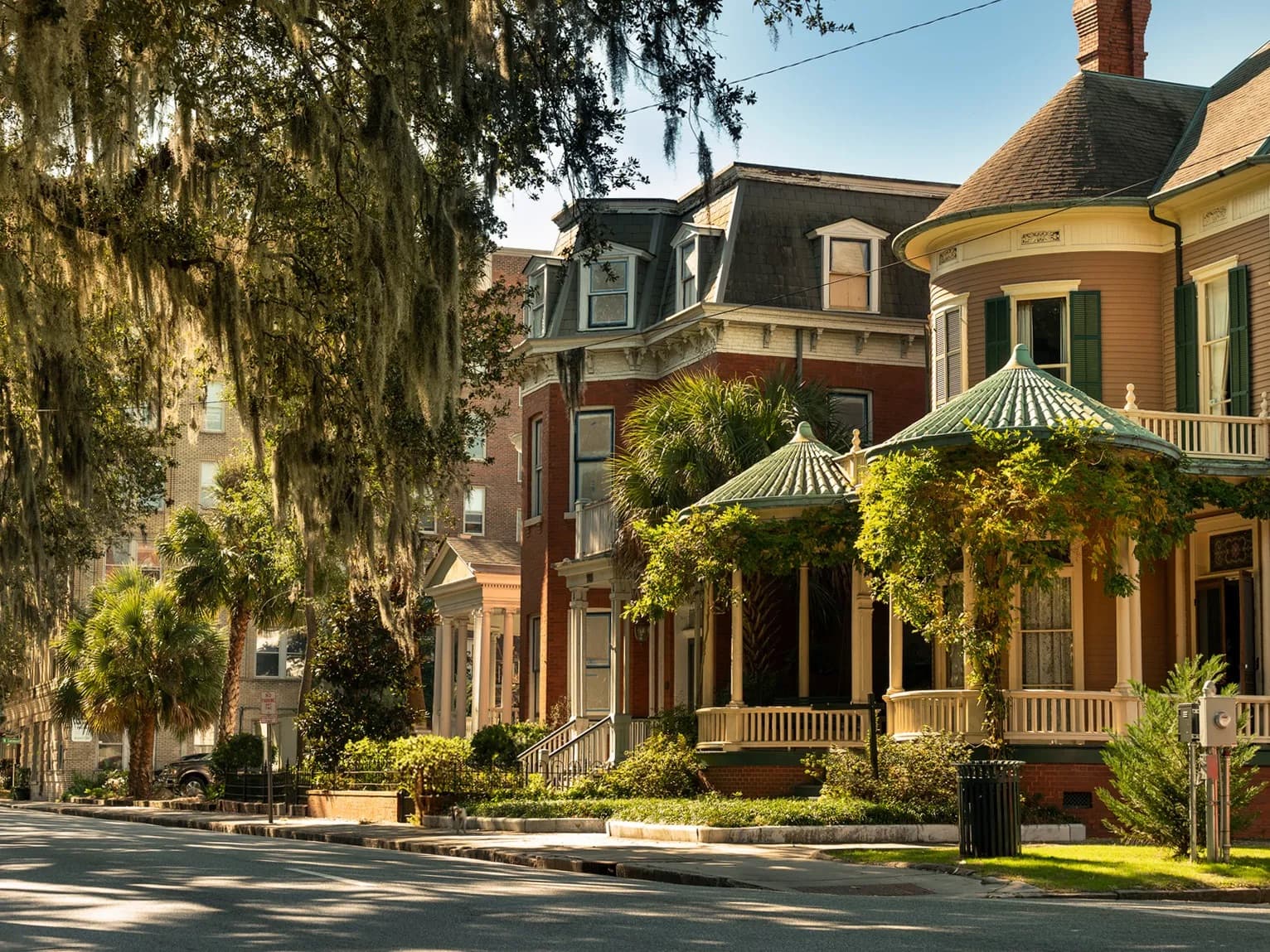
A Colonial Town Plan And Its Honestly Examined History
Oglethorpe's Squares · Owens-Thomas House · Wormsloe
Savannah's colonial town plan holds real architectural grandeur and a history that includes the enslaved people who built and ran it — neither should be told without the other.
The Oglethorpe town plan's linked squares give Savannah its structure, the Owens-Thomas House & Slave Quarters holds its architecture and its full social history together, Wormsloe State Historic Site preserves an earlier colonial layer beyond its famous avenue, and Bonaventure Cemetery keeps the layered histories of the people actually buried there.
Journey Possibility
Walk the linked squares of the Savannah Historic District's Oglethorpe town plan, visit the Owens-Thomas House and its surviving slave quarters for an honest look at who actually lived and worked there, continue to Wormsloe State Historic Site for Noble Jones's colonial tabby ruins and museum, and close at Bonaventure Cemetery's live-oak avenues, approached with the same quiet respect any active cemetery deserves.